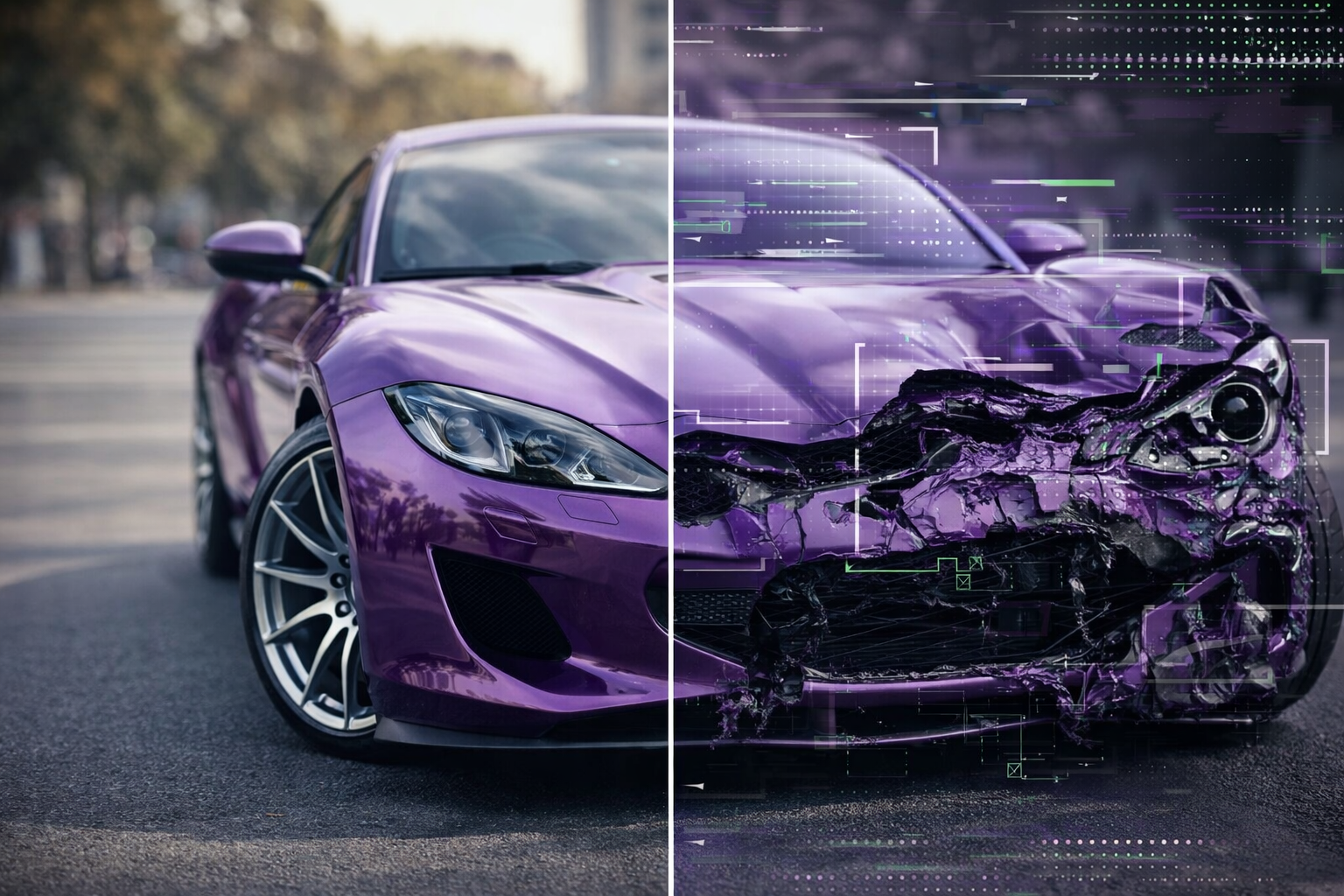
The industry focuses heavily on detecting AI-manipulated images, but pixel-level detection is ultimately a reactive strategy. It assumes the evidence is already compromised and asks whether we can prove it, which becomes harder as synthetic media improves and the volume of digital evidence grows.
The more fundamental issue is evidential trust. For decades, insurers have treated photographs as objective proof. Today, images are simply editable digital files, and increasingly they can be altered convincingly with consumer-grade tools. I n that environment, the question is no longer “does this look real?”, it becomes “can this be verified as authentic?”
This is where cryptographic provenance becomes critical. Standards such as C2PA embed credentials at the point of capture, enabling verification of origin, device integrity, timestamps, and modification history. It is a structural shift from visual judgement to mathematical assurance. However, many legacy claims environments, and many traditional fraud approaches, are not designed to understand or operationalise provenance. Outdated methods still rely on subjective review, limited metadata checks, or inconsistent evidential standards.
Even with provenance, fraud rarely hinges on a single image. It reveals itself through inconsistency: damage morphology that does not match the stated accident circumstances, repair cost escalation outside expected norms, timing anomalies, and repeat behavioural patterns. This is where data volume becomes decisive. As we assess significant numbers of claims across multiple insurers, repair networks and vehicle types, you build a benchmark of what “normal” looks like. Outliers become visible, and the truth can be triangulated across evidence, estimate behaviour, and damage patterns rather than judged in isolation.
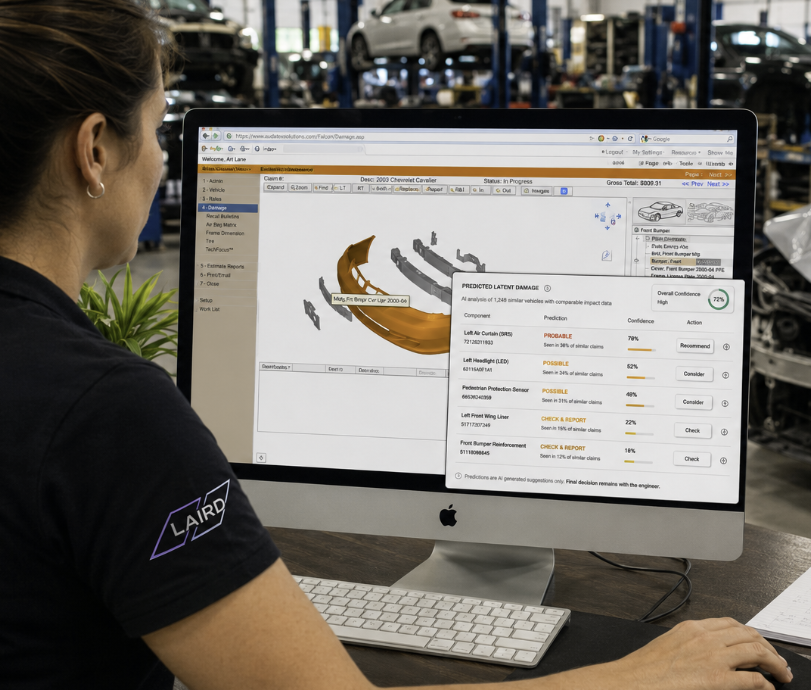
At Laird, we actively embrace a Human-in-the-Loop model, using AI to enhance consistency, flag anomalies, and surface risk signals, while ensuring experienced technical assessors remain accountable for judgement and outcomes. Just as importantly, we engage with emerging standards such as cryptographic credentials and provenance, because the future of fraud prevention will depend on trust frameworks, not just better detection.
The challenge ahead is not simply spotting better fakes. It is rebuilding confidence in evidence, and doing so at scale.