A recent Assessors Journal article, “AI in Vehicle Damage Inspection: The critical role of continuous learning from the expert”, raises concerns about model drift, outdated training data, changing vehicle technology and the need for continuous expert intervention.
The concerns are recognisable. The problem is that many are not new, and modern AI architecture has already moved considerably beyond the relatively static model the article appears to describe.
Model drift is a solved problem, not a new warning
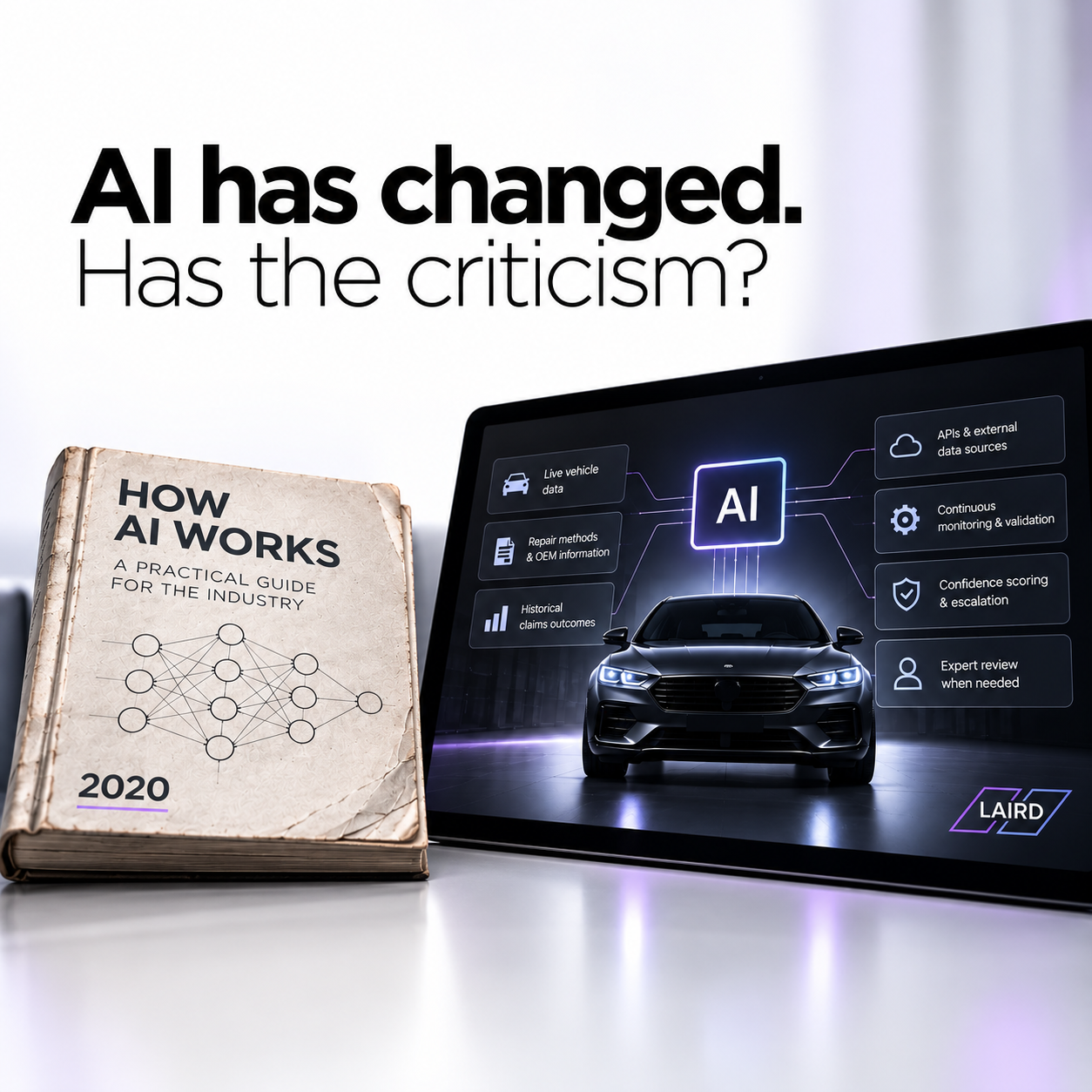
Model drift is a well-understood machine-learning problem. Contemporary systems can monitor changes in inputs and outcomes, track performance, detect anomalies, measure confidence and trigger validation or retraining when required.
A model therefore does not simply become progressively less accurate until an expert notices. If it does, that says rather more about the system design than it does about AI.
At Laird and Swiftcase, we work on the basis that AI outputs should be measurable, auditable and capable of escalation when confidence or evidence is insufficient.
Knowledge no longer needs to be frozen at training
The article also appears to assume that an AI's knowledge is largely determined by what it learned during training.
Modern systems can combine trained models with current databases, manufacturer information, APIs, retrieval systems, deterministic rules and live workflow data. Information can be updated without rebuilding the underlying intelligence every time something changes.
This is particularly relevant to automotive assessment, where vehicle specifications, repair methods and technical information continually evolve.
Continuous human feedback can create another problem
The proposed answer, continuous learning from experts, also deserves more scrutiny.
Human decisions are useful evidence, but they are not automatically correct. Supplementaries, estimates and repair outcomes contain inconsistencies, omissions and commercial decisions. Training indiscriminately from them risks institutionalising those inconsistencies.
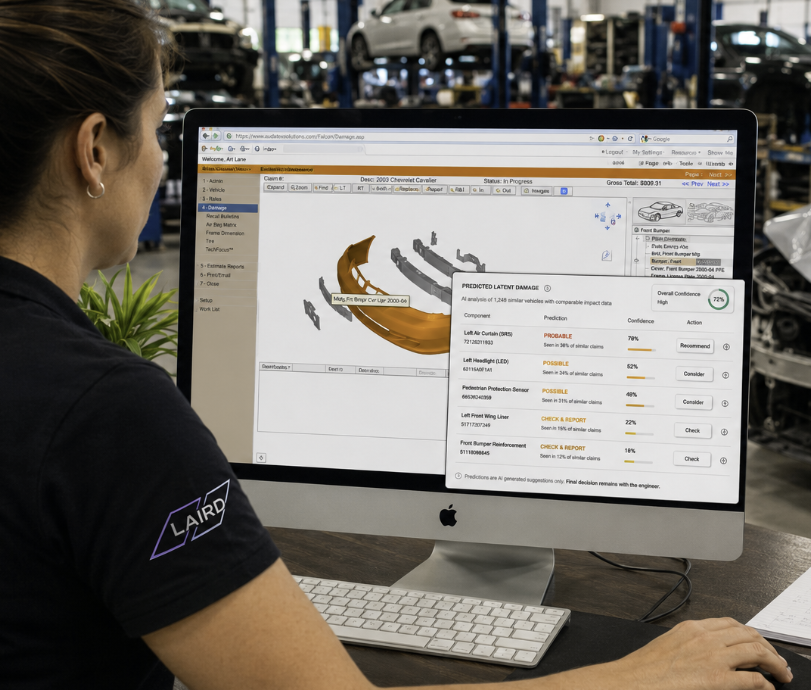
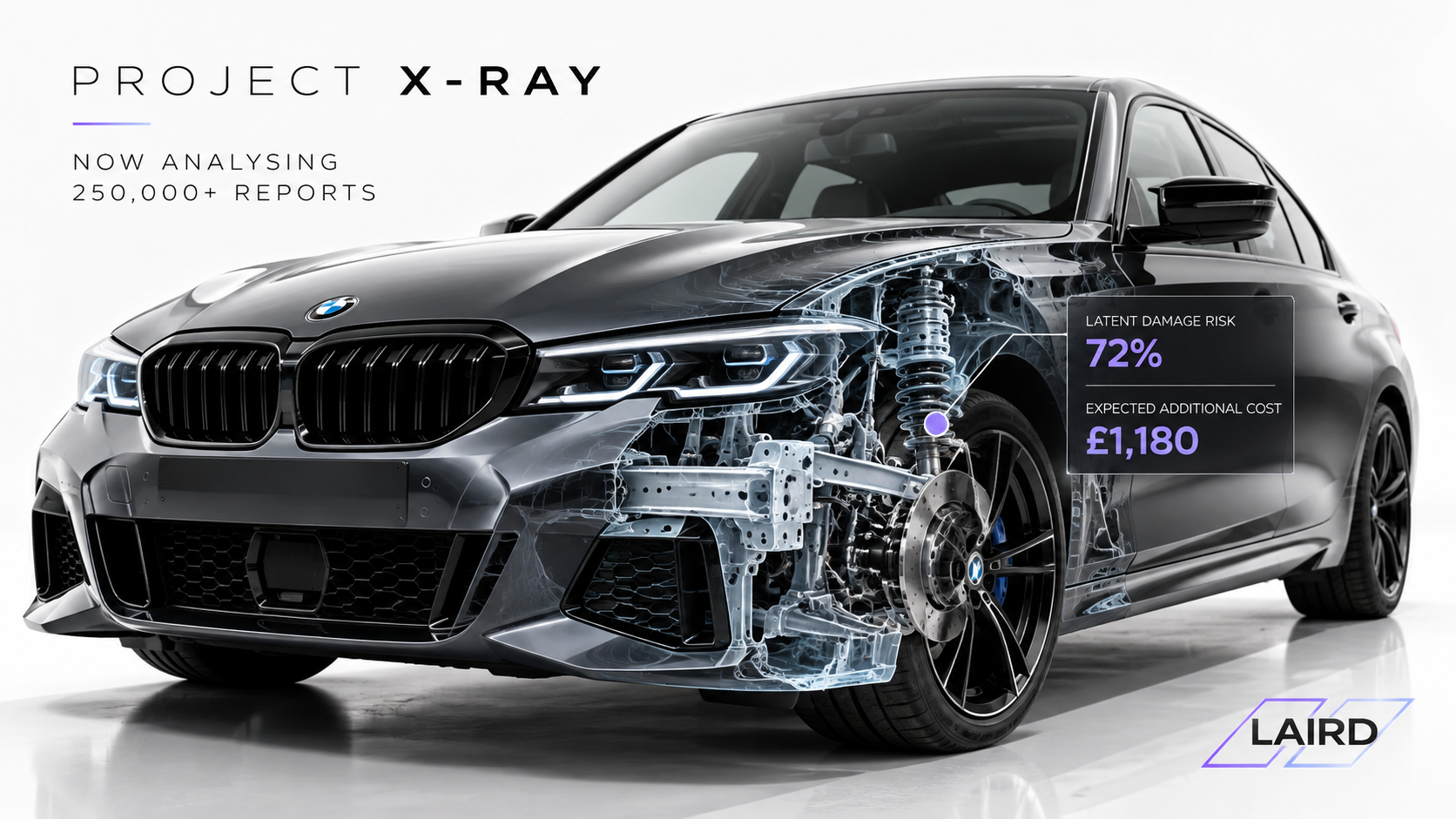
Project X-Ray has demonstrated this across over 250k vehicle accident damage reports. Rather than assuming previous decisions represent truth, we can identify patterns, compare outcomes, quantify risk and highlight exceptions for engineering review.
That is a considerably more sophisticated feedback mechanism than simply teaching AI what an assessor decided previously.
We also don't consider AI based systems, like Project X-Ray, an estimating tool, but a tool for estimators.
The technology has moved on
The strongest case for engineers working alongside AI does not require AI to be portrayed as perpetually dependent upon humans to keep it current.
Modern architectures can combine AI, live information, automated monitoring, validation, confidence thresholds, rules, historical outcomes and human escalation. Swiftcase already approaches AI this way, while X-Ray is applying similar principles specifically to accident damage intelligence.
There will always be limitations, particularly where physical damage cannot be observed from the available evidence. Those are genuine constraints worth discussing.
But model drift, changing data and updating knowledge are hardly unsolved problems.
If we are going to debate the limitations of automotive AI in 2026, we should at least debate the limitations of 2026 AI.