The latest developments in End of Life Vehicle (ELV) regulation are often framed as an environmental initiative. While improving recycling rates and reducing waste remain important objectives, from an engineering perspective the bigger story is what these changes reveal about the future of the automotive industry.
At Laird, we see the new focus on vehicle recovery, traceability and responsible treatment as a natural response to a fundamental shift in vehicle design.
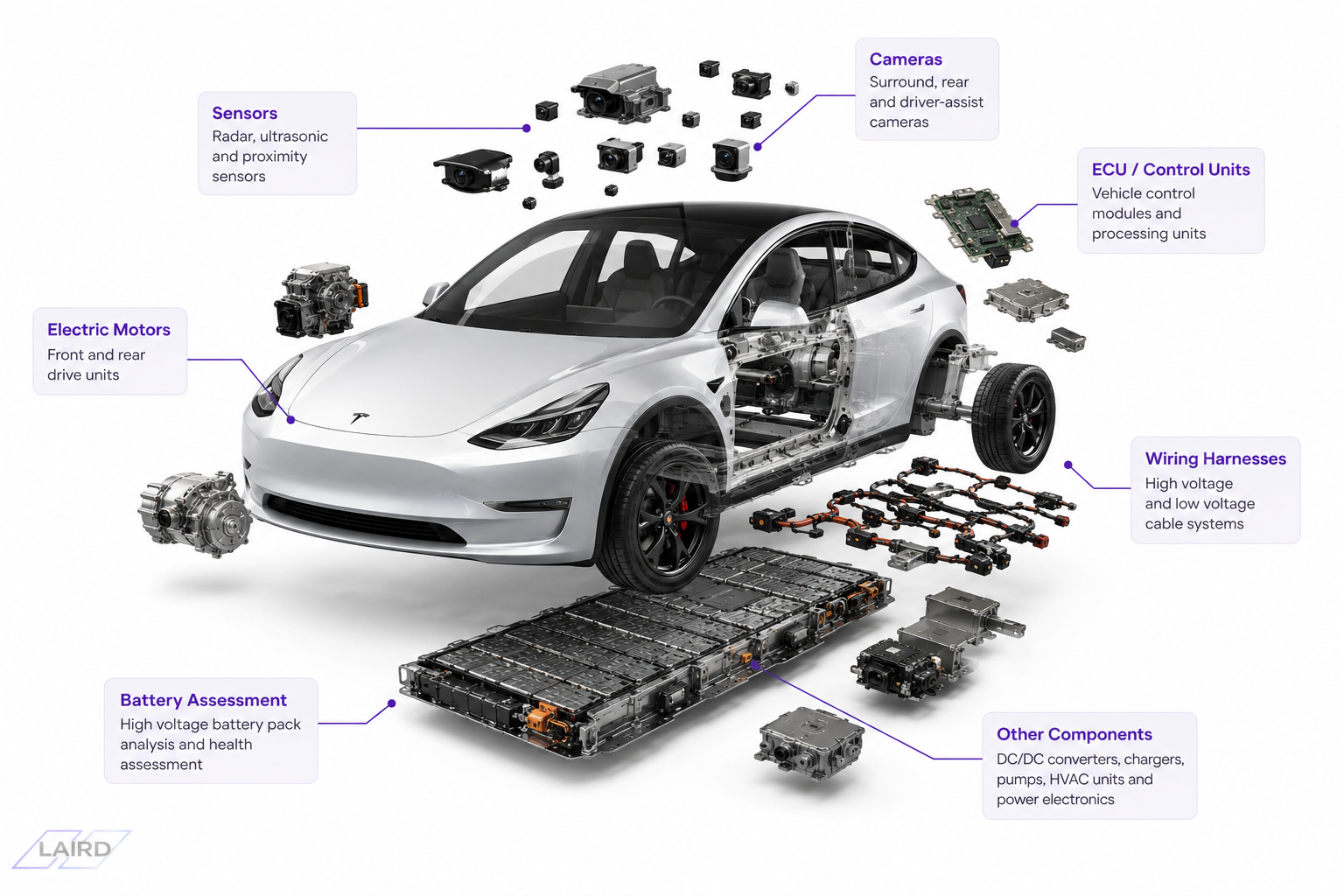
Vehicles are no longer simply mechanical products, but increasingly complex systems containing advanced electronics, sensors, control modules, batteries and high value components. As a result, what happens at the end of a vehicle's life is becoming just as important as what happens during its production.
Regulation is Catching Up with Technology
For years, the automotive sector has focused on improving manufacturing efficiency, vehicle performance and operational sustainability. Now attention is turning towards the final stage of the vehicle lifecycle.
The latest ELV guidance places greater emphasis on accountability, authorised treatment processes, environmental controls and the ability to demonstrate compliance throughout the recovery chain.
While some may view this as an additional regulatory burden, we see it as recognition that modern vehicles require a more sophisticated end of life process than the industry has traditionally provided.
The Real Challenge is Visibility
One of the biggest obstacles facing the sector is understanding what value remains within them.
A modern vehicle arriving at an authorised treatment facility may contain hundreds of reusable or recoverable components. Determining what should be reused, refurbished, recycled or safely disposed of requires data, process control and traceability.
The industry's challenge is moving from a model based largely on material recovery towards one that maximises component recovery and asset value. That requires better information and better decision making.
Electric Vehicles Raise the Stakes
The transition to electric vehicles further reinforces the importance of effective end of life management.
Battery systems introduce new safety requirements, new recovery opportunities and entirely new value chains. Understanding battery condition, residual value and potential second life applications will become increasingly important as larger numbers of EVs reach end of life.
The direction of regulation suggests policymakers recognise this challenge and are laying the foundations for a more accountable and transparent recovery ecosystem.
Why This Matters
At Laird, we believe the most significant impact of these regulatory changes will be the acceleration of innovation across the vehicle recovery sector.
Organisations that can improve traceability, support compliance, optimise recovery decisions and unlock greater value from end of life vehicles will be well positioned as expectations continue to evolve.
The vehicles of tomorrow will be more connected, more electrified and more complex than ever before. It follows that the systems responsible for managing them at the end of their lifecycle must evolve as well. The latest ELV regulations are not simply about compliance.
They are a signal that the industry is moving towards a more intelligent, data-driven and circular approach to vehicle recovery, a direction that we welcome and one that creates significant opportunities for innovation across the automotive sector.